BESS Flexibility
Does your site lack electrical capacity, or require greater energy resilience? An all-in-one Battery Energy Storage System (BESS) with an integrated power conversion system (PCS) could be the solution.
BESS brings faster deployment than a network upgrade at an affordable cost. It can connect behind the meter and work as additional power supply during power outages.
In contrast to network upgrades, BESS solutions are an investment in your own asset that can be depreciated accordingly. They can also be relocated when your operations move, unlike a network upgrade.
Great for:
- Commercial and industrial facilities
- Bus depots
- Truck charging
- Fleet charging
- Port Electrification
- Airports landside and airside
- Farm operations
Variants
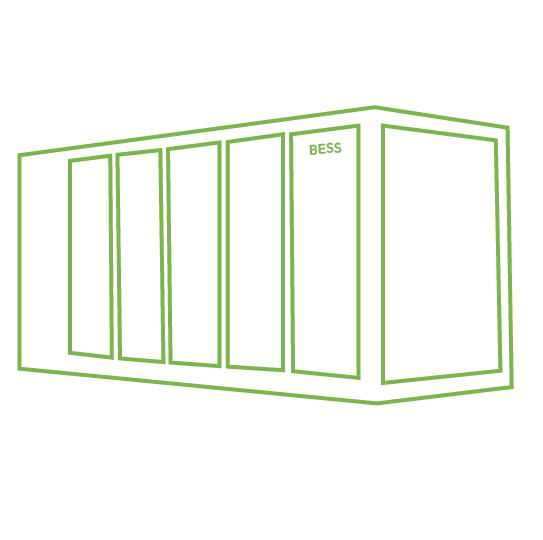
BESS can come as an all-in-one device, or containerised for larger storage capacities with separate PCS equipment.
Depending on your needs BESS can connect to the grid as well as to renewable energy resources. You could charge the battery up at off-peak rates or use your renewables and have energy storage available during peak operations to reduce grid consumption.
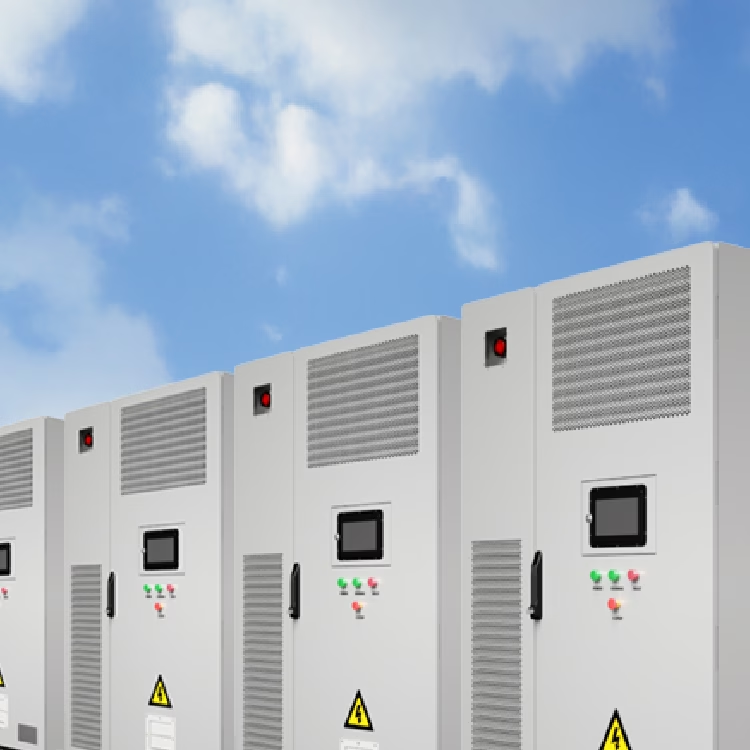
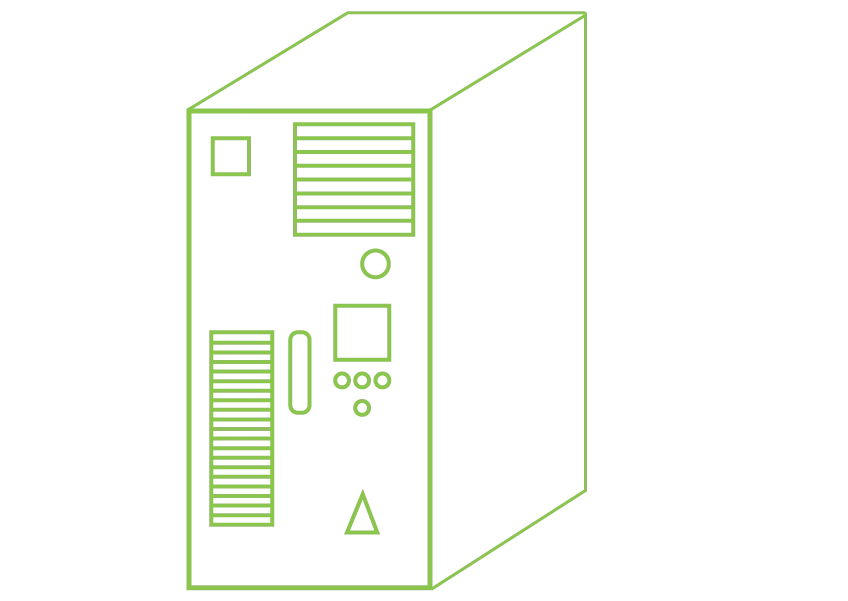
All-in-One BESS
• Rated power up to 125 kW with storage capacity of 280 kWh per cabinet
• Scalable configuration with up to 10 units – (1.25 MW power with 2.8 MWh storage)
• Overload capabilities – 110% for 30 minutes
• Hybrid cooling system
-Liquid cooled battery packs
-Forced air cooled cabinet with speed control
• Energy management system
-Scheduling capabilities
-Realtime monitoring
-Predictive maintenance
• Fire detection and suppression system
-Smoke and flammable gas detection devices
-Battery and cabinet level aerosol fire suppression systems
-Exhaust system
• Suitable for indoor or outdoor use – IP55 rating with up to C5M corrosion resistance
• Footprint of a typical BESS unit – 1400 x 1300 x 2400 (mm)
• Net weight of cabinet – 3250 kg
Containerised BESS
• Storage capacity from 2 MWh up to 5 MWh per container
• Paired with a separate Power Conversion System that matches the site requirements to provide a range of power ratings
• Integrated Battery Management System to provide control and monitoring of battery packs
• Hybrid cooling system
-Liquid cooled battery packs
-Forced air cooled with speed control for the overall container
• Fire detection and suppression system
-Temperature detection
-Smoke and flammable gas detection devices
-Aerosol fire suppression systems
-Siren and strobe alarms for indication
• Equipment configured in a standard shipping container for easy transport and quick installation
BESS benefits at a glimpse
- Unlocking capacity: Increase the electrical capacity at your facility without upgrading to a larger network connection
- Instant power and peak shaving: Stored energy can be utilised during high demand periods to reduce network capacity charges.
- Load shifting: Charge the battery when electricity rates are low and utilise the stored power during high priced periods.
- Maximise solar generation: avoid exporting excess solar, and instead store the energy for around the clock use.
- Mobile and transportable: Don’t upgrade the network connection, instead invest in a battery. Pick it up and move to a new location. Ideal for rented facilities.
- Scalable configuration: BESS capabilities can be easily expanded over time to meet changing requirements
- Enable charging of heavy EVs: The high capacity charging requirements of buses, e-trucks, ferries, and even planes can be met through BESS.
- Resilience: Instant back-up power in case of network and grid outages.
- Trade your energy: The dynamic capacity of BESS can be sold into reserve markets to support the grid.
BESS supporting EV charging
In addition to the general BESS benefits, a Battery Storage System can help to establish reliable and high capacity EV charging infrastructure onsite.
- Support onsite transport electrification, create capacity for high power charging
- Scalable from 250kWh to 5MWh systems that can be used for rapid DC charging and to extend charging windows for longer periods of time
- Energy management systems that will monitor any available grid power and the state of the batteries to optimise charging profiles based on a range of scenarios
New Plymouth Airport, NZ
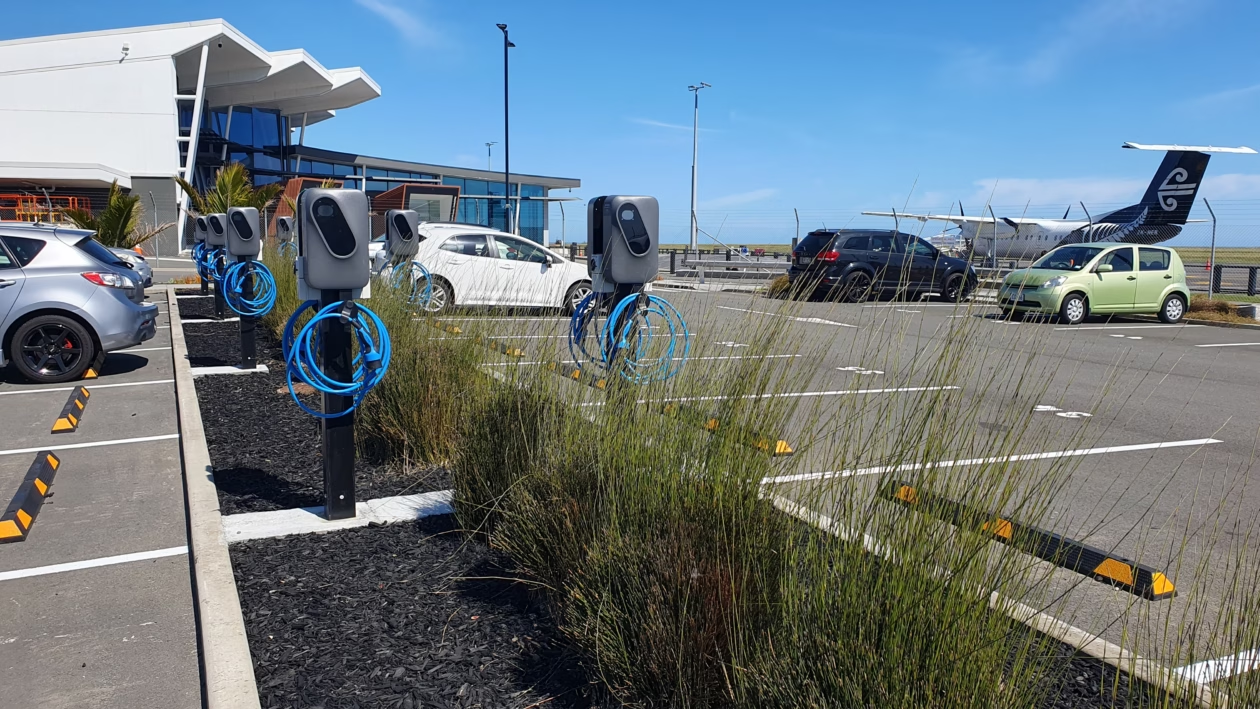
New Plymouth Airport serves the region of Taranaki on New Zealand’s west coast of the North Island. It is the first New Zealand airport to become energy self-sufficient.
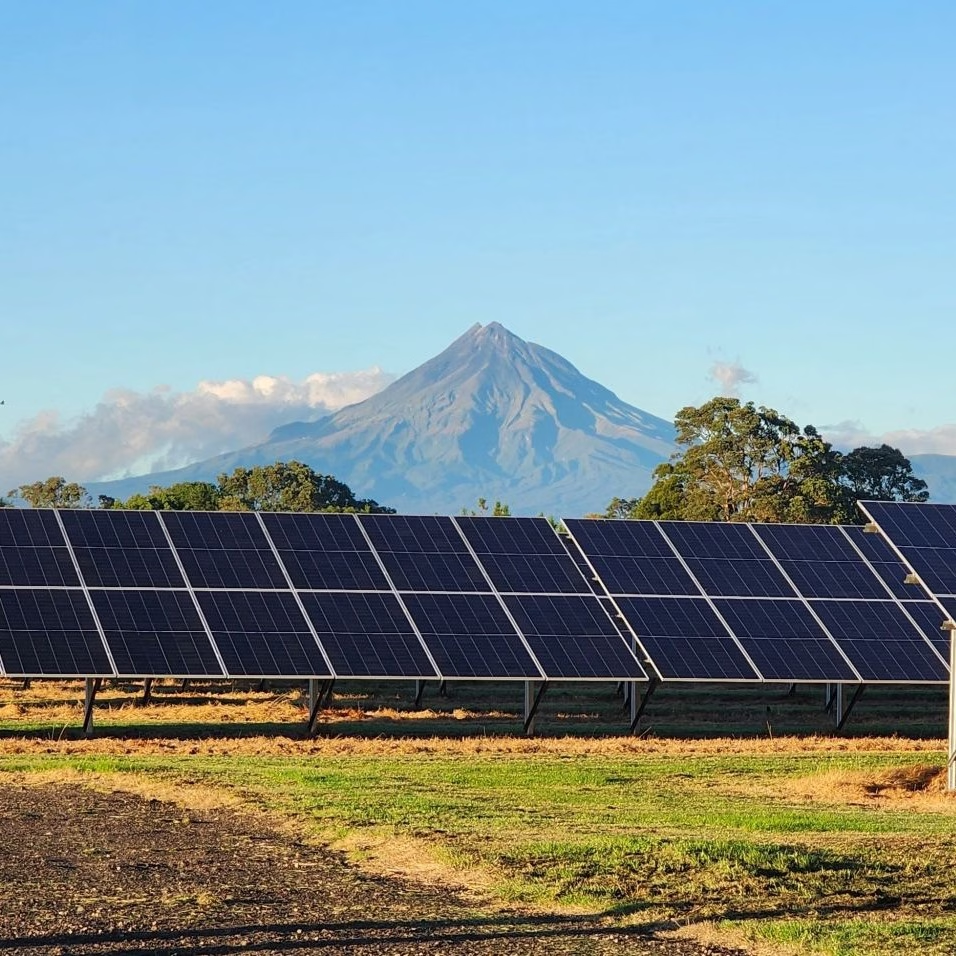
BESS integration with solar park
The airport is a leading example of creating an energy ecosystem. With a 10 MW solar farm park and a 1MWh Battery Energy Storage System (BESS) to be shortly installed it steps towards energy resilience.
The Airport wanted to be less reliant on the grid and reduce exposure to price fluctuations. Reducing costs and becoming energy self-sufficient and autonomous was a major motivator. Emergency Resilience is an absolute bonus, and the BESS system is guaranteeing independence of grid, fossil fuels and continuous operations in emergencies.
The energy created during the day will facilitate the airport terminal and the EV chargers at nighttime.
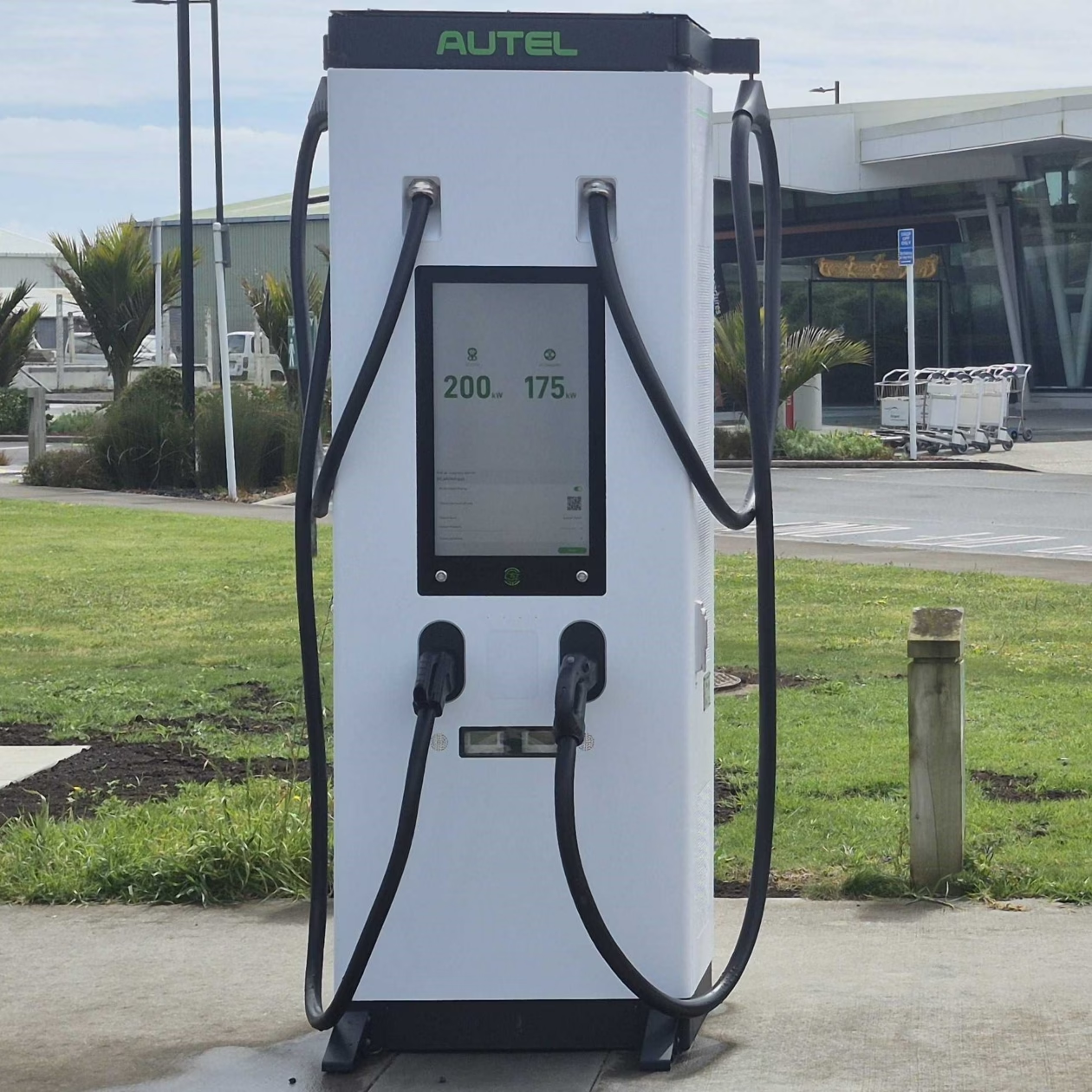
Thundergrid also installed one 200kW DC charger and 40 AC chargers for the car rental providers at the airport.
“The BESS will essentially ‘time shift’ energy produced during the day to be used in the evening, when there’s most demand on the grid. Not only will we have our own supply, we also know it will be generated from renewable resources.”
CEO
New Plymouth Airport