
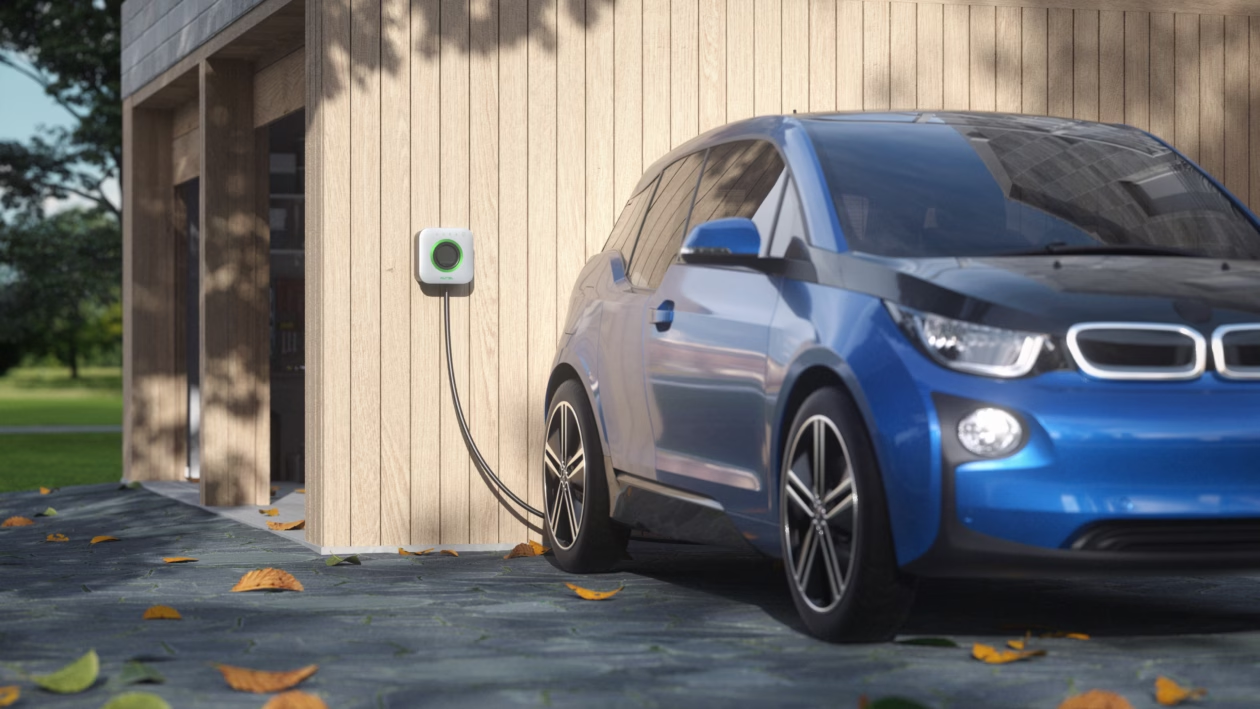
EV chargers and electric vehicles (EVs) are no longer a futuristic concept—they’re here, and they’re transforming the way we move. Whether you’re in bustling Sydney, scenic Queenstown, or anywhere in between, EVs are becoming a smart, sustainable, and increasingly affordable choice for drivers across Australia and New Zealand.
If you’re new to the world of EVs, this guide will walk you through everything you need to know—from choosing the right EV charger to understanding charging stations, costs, and the latest EV innovations. You’ll get answers to “How much does it cost to charge an electric car?” or “Are all EV charging stations the same?”
EVs and EV charger in everyday life
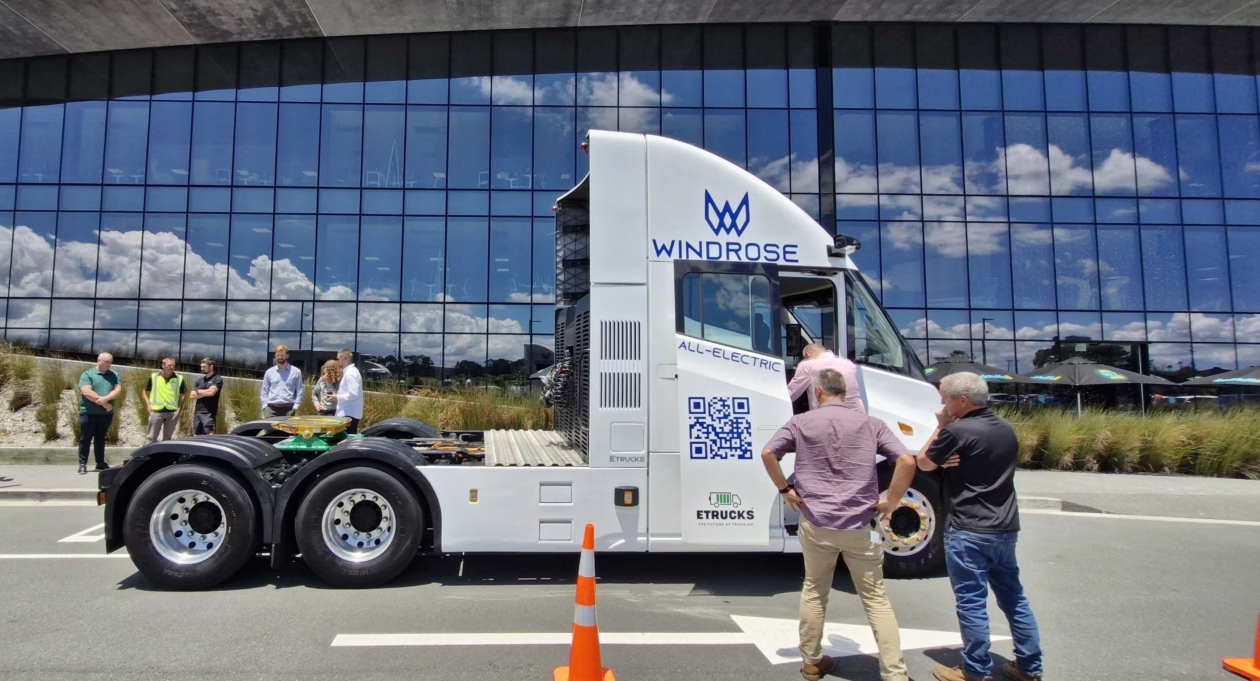
It’s not only EVs that people buy for their private use, rental car companies and government fleets were the first to adopt electric vehicles or hybrid cars to reach their environmental goals and reduce their carbon footprint. Nowadays electric busses, electric trucks (EV truck) and other vehicles are being electrified. Those can be forklifts, ships like the East by West Ferry in Wellington harbour, Farmland’ gear like solar modules or farm vehicles like tractors and even airplanes.
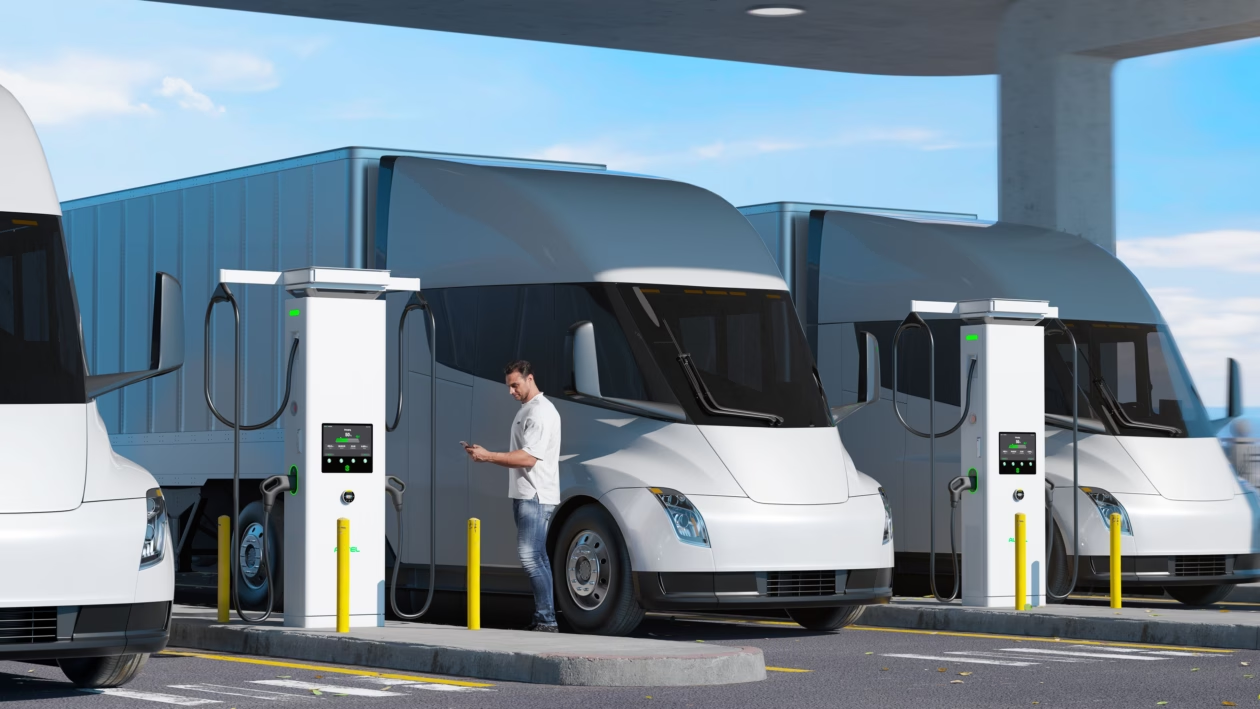
A particular challenge is the electric bus charge time, to facilitate an e-truck fleet to operate without disruption due to charging times or to efficiently operate EV fleet charging with the right EV charging infrastructure.
What Is an Electric Vehicle (EV)?
An electric vehicle (EV) is powered by electricity instead of petrol or diesel. There are several types of electric vehicles and innovations move incredibly fast:
- Battery Electric Vehicles (BEVs): Fully electric, no fuel required
- Plug-in Hybrid Electric Vehicles (PHEVs): Use both electricity and fuel
- Hybrid Electric Vehicles (HEVs): Combine a fuel engine with an electric motor but don’t plug in
- Fuel Cell Electric Vehicles (FCEVs): Use hydrogen to generate electricity
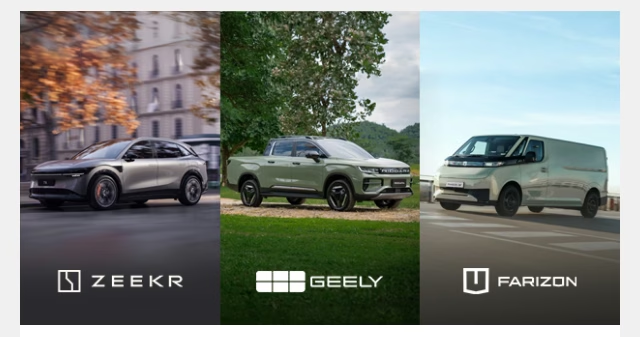
Popular models in Australia and New Zealand include the Tesla Model 3, MG ZS EV, Polestar 4, Nissan Leaf, and BYD Atto 3. There are also new brands coming to the market like Zeekr, Geely or Farizon.
Trying an EV and EV chargers before buying
The Mevo EV sharing network is a great way of trying an EV before committing to buy one. All car rental companies like Hertz or Avis do offer great EVs as well that are not more expensive than regular ICE vehicles. Drive through Auckland or Australia in an EV. Just hire an e car next time you are going on a trip and see if you like it. How is the driving, the look and feel, the new technologies inside an EV, the charging experience and planning with a certain driving range. We are sure, you’ll love it, once you tried it!
Why Go Electric?
There are multiple reasons to go electric and there is a different view on EVs out there. Here are some of the core benefits:
- Lower Running Costs: Charging an EV in your house can cost as little as $5–$7 per 100km in Australia and $4.50 per 100km in New Zealand—much cheaper than petrol
- Eco-Friendly: EVs produce zero tailpipe emissions, helping reduce air pollution and carbon footprints
- Less Maintenance: With fewer moving parts, EVs require less servicing
- Government Incentives: Rebates, tax credits, and exemptions are available in both countries to make EVs more affordable

Understanding EV Chargers
There are three main types of EV chargers for you to view:
- Level 1 – Standard Wall Outlet/Plug: Slowest, adds ~5km of range per hour
- Level 2 – Private or Public AC Chargers: Adds 20–40km per hour. Ideal for daily use as wall charger or on a pedestal
- Level 3 – DC Fast Chargers: Adds 100–200km in 30 minutes. Great for road trips
Types of Charging Cables for EV Chargers
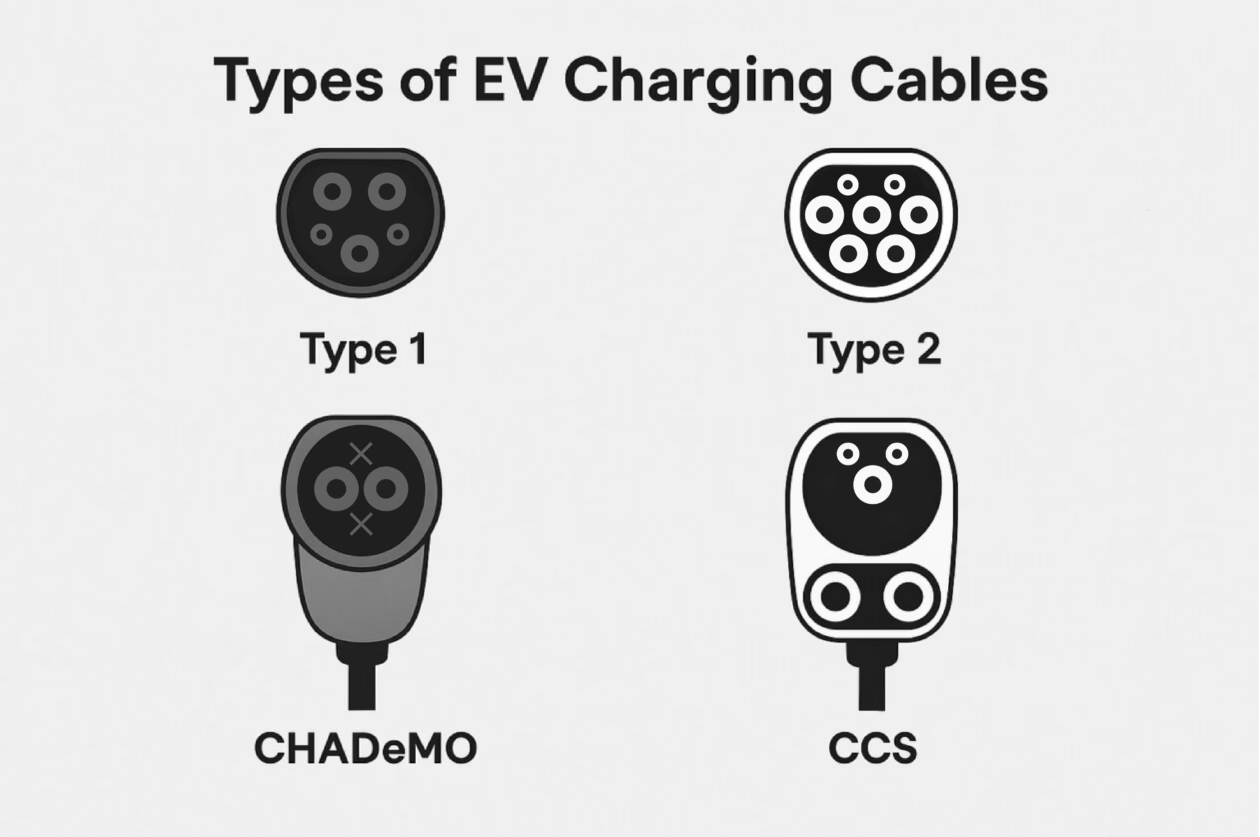
When it comes to charging your EV, the type of EV charging cable you use matters just as much as the charger itself. In Australia and New Zealand, the most common plug types are Type 2 (Mennekes) and CCS2 (Combined Charging System). A type 2 charging cable is used for AC charging—ideal for home and public slow-to-medium speed charging. These come in single-phase (up to 7.4kW) and three-phase (3 phase electrical plug up to 22kW) versions, depending on your car’s capabilities. CCS2 cables are used for DC fast charging and include extra pins for high-speed power delivery. If you drive an older or imported EV, you might encounter Type 1 (J1772) plugs, which only support single-phase AC charging. For fast DC charging in Japanese imports like the Nissan Leaf, CHAdeMO connectors are common, though these are typically tethered to the charging station.
Always check your vehicle’s inlet type and choose a cable that matches—some EVs may require Type 2 to Type 1 adapters to use public chargers. Contact us if you need support!
Choosing a smart Home EV Charger
Why buying a home charger instead of using the wall plug? Plugging your EV in a standard wall socket, results in higher charging costs. There is also a potential risk of fire if the wiring in your house is old. And charging it’s way slower. It also strains your home’s power and is heavy on the grid at peak times.
EV news Australia talks about the best home EV charger for Australia. To make sure, the lights stay on, and you won’t blow a fuse, you should use a smart home charger. It’s not just safer, it’s also faster.
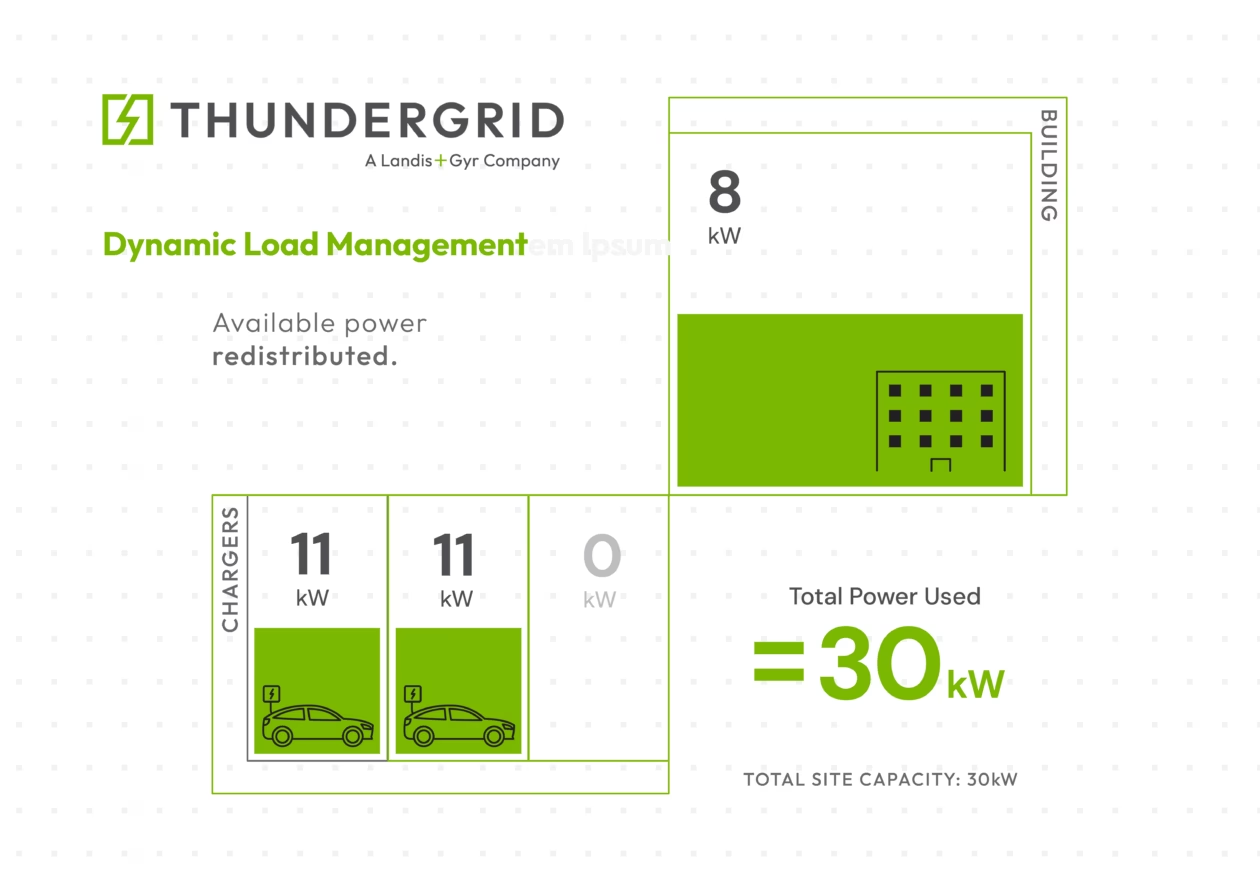
Dynamic Load Management
Those chargers can share the power with other appliances in use. They can also be more cost-effective when e.g. scheduled to charge at an off-peak rate or a free power shot.
Are all EV charging stations the same? No. When selecting an EV charger, consider choosing a smart charger. It should be brought online and has additional features. Some people also google for electric auto charging:
- Charging speed (kW): 7kW EV charger is common for private/house use (single phase wired)
- Connector type: Most EVs use Type 2 or CCS connectors
- Smart features: Scheduling, energy monitoring, and solar integration
- Installation: Requires a certified electrician and possibly a 240V circuit
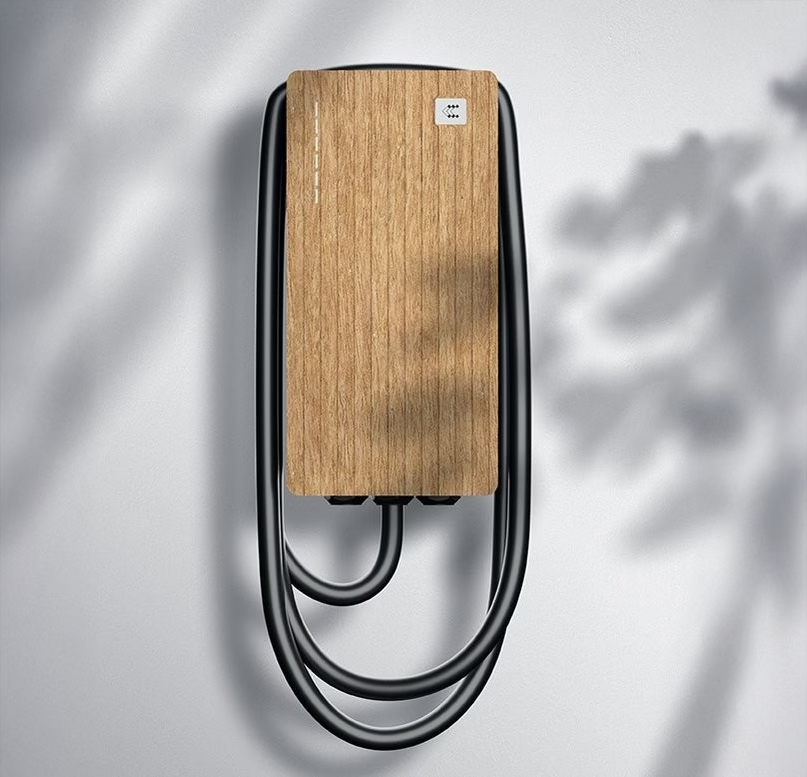
Popular home vehicle charging stations include Teltonika, the Autel compact, the new smart Tesla destination charger or the Autel Wallbox. All our Thundergrid home chargers are universal chargers. They can be used with any EV or plug-in hybrid. We can also help with the EV charger install. It’s important to figure out where the best charging points at home are.
Portable EV chargers
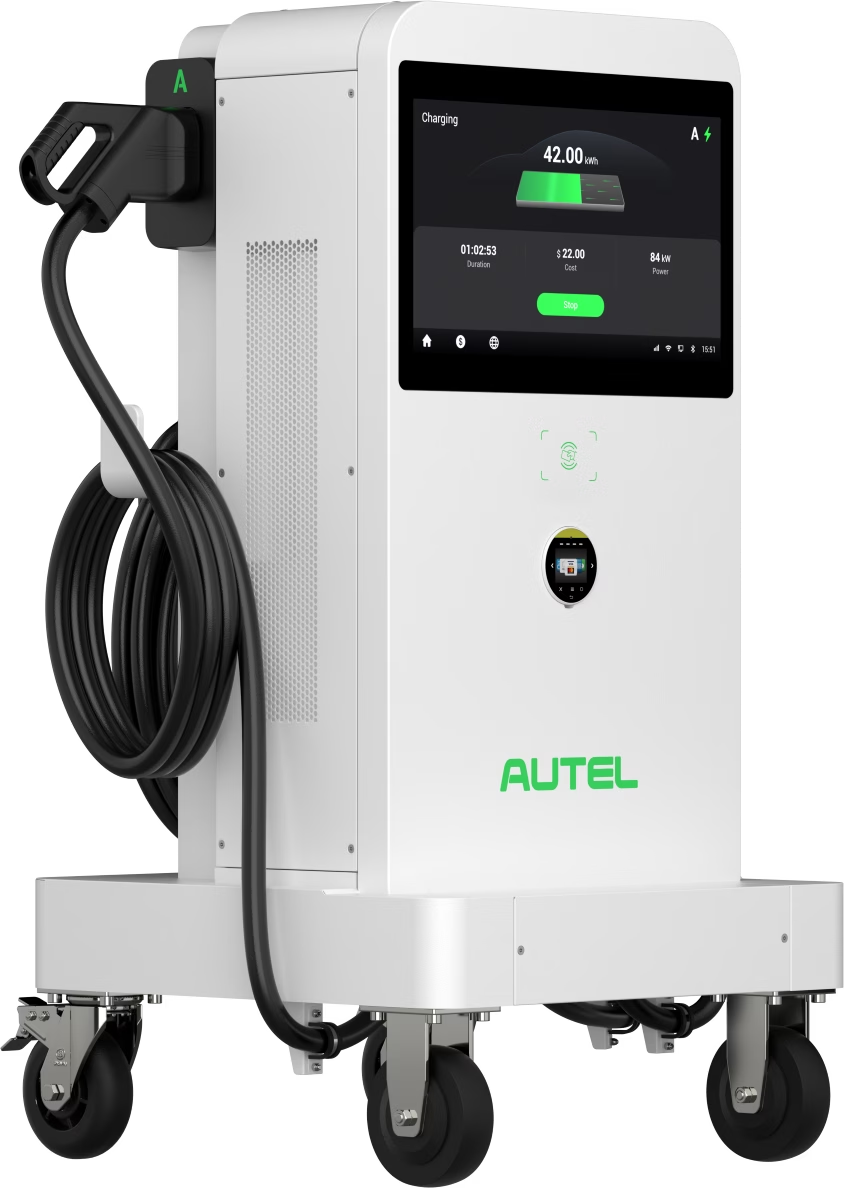
There are also portable EV charging stations available. One of the most common portable chargers for EV is a DC charger on wheels used at a workshop or garage. Here is an example, the Autel Compact DC 50kW portable car charger.
There are also technologies available and charger management from Thundergrid. Those enable even apartments with EV charging. EV charger installations need an individual solution to work best.
Where to Charge Your EV
Public Charging Stations
Australia and New Zealand are rapidly expanding their EV charging infrastructure. You’ll find chargers at:
• Shopping centres
• Public car parks
• Highways
• Workplaces
• Apartment complexes
• Holiday houses, Motels & Hotels
Major networks include ChargeNet charging stations, JOLT, BP Pulse, Tesla Charging Stations (Tesla connectivity). There are also Z EV stations and EVIE Networks. They all have a vehicle charging station map in their apps to find the closest charger for you. EV charging in Australia and New Zealand is becoming really easy.
EV Charging stations Near Me
To find an electric charging station near you, search for “EV charging stations near me”, “charging station NZ”, “EV charging station near me AUS” or “EV chargers near me” to find the closest options. Apps like Thundergrid, ChargeNet, PlugShare and ChargeFox are great tools for real-time availability and pricing. Within those apps you can find an EV station map or EV charger map. Most public DC chargers have cable management, for some AC chargers, you need to bring your own charging cable.

How Much Does It Cost to Charge an EV?
Home Charging
- Australia: $0.15–$0.40 per kWh depending on your electricity plan
- New Zealand: ~$0.25 per kWh, or $4.50 per 100km
Public Charging
- AC Chargers: $0.25–$0.50 per kWh
- DC Fast Chargers: $0.50–$0.90 per kWh
- Free EV charging stations: Some locations offer free EV charging, especially through networks like JOLT (first 7kWh free)
EV Charger Innovations and Trends
- Solar-Powered EV Chargers: Reduce your carbon footprint and energy bills
- Smart Chargers: Schedule charging during off-peak hours for lower rates
- Universal Chargers: Compatible with multiple EV models
- Battery Energy Storage Systems BESS to integrate into solar and solve power constraints on sites

EVs and the Environment
EVs are a key part of the clean car rebate and carbon credit strategies in both countries. They support:
- Reduced greenhouse gas emissions
- Cleaner air in cities
- Lower noise pollution
- Meet sustainable transport goals
EVs for Every Lifestyle
Whether you’re commuting in Auckland, exploring rural Australia, or running a business fleet, there’s an EV solution for you:

EV batteries and the Environment
EV car batteries have come a long way since the first models. Early EVs had limited range and battery life, but today’s EVs can travel over 500 km on a single charge thanks to better battery design and materials. Modern batteries use advanced chemistries like lithium iron phosphate (LFP) and silicon-anode technology, which make them safer, longer-lasting, and more energy-dense. In New Zealand, companies like InfinitEV are giving old EV batteries a second life by turning them into energy storage systems. These reused batteries help store renewable energy and support fast EV charging, reducing waste and improving sustainability for future generations.
So the good news is, range anxiety shouldn’t be a problem anymore. Now trips from Wellington to Hamilton or a travel from Sydney to Coffs Harbour without a stop are absolutely possible.
Final Thoughts: Is an EV Right for You?
EV is coming and with the climate change already very visible all over the globe electrification is becoming more important than ever. There is no ultimate answer if an EV is right for you at the moment. This really depends on your personal circumstances, travel habits and preferences.
But the benefits of buying an EV over an ICE vehicle these days are clear: With lower costs, government incentives, a growing charging network and new technologies evolving, now is a great time to make the switch.
Download our free EV 101 guide and find out e.g. ‘How long does it take to charge an EV (electric car)?’